
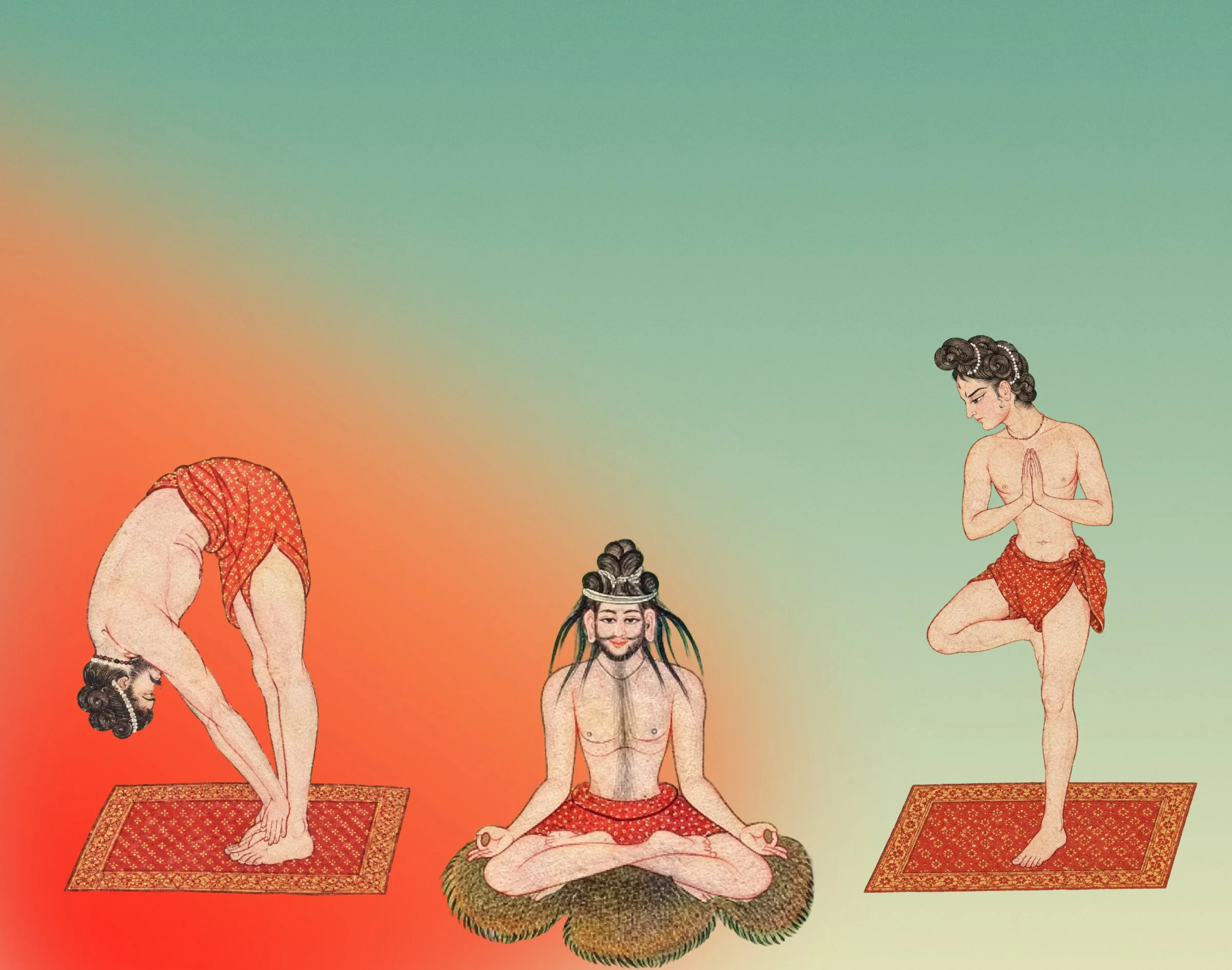
JANUARY 15 — 17, 2027 | Online
Yoga, Breath & Meditation: Therapeutic Perspectives
Welcome to The Third International Sowa Rigpa Forum
For centuries, Tibetan yoga, breath and meditation have passed from teacher to student across the Himalayas.
This January, teachers, students and practitioners from around the world gather online to explore how these teachings meet other yogic paths and contemporary care today, and how each of us might carry them into daily life.
At the heart of the forum is Sowa Rigpa, “the science of healing”: the Tibetan medical tradition that understands health through body, mind, food and ways of living.
Rooted in Dr. Nida Chenagtsang’s teaching community, the forum is a space for learning, dialogue and reflection. Whether you’re new to Sowa Rigpa or have studied for years, there’s a place for you here.
Three threads run through the forum's presentations and discussion.
Body and movement
How do Tibetan yogic traditions understand the body as a support for healing and spiritual practice? Explore movement, bodily awareness and ways of living through Sowa Rigpa and Tibetan Buddhism.
Breath and voice
How are breath, rLung and the mind related in Tibetan medical and contemplative teachings? Explore the place of breathing, mantra and chanting in working with body, speech and mind.
Mind and meditation
How do Buddhist understandings of suffering, compassion and the nature of mind inform approaches to healing? Consider how contemplative understanding can enter everyday relationships and care.
Three days of learning and exchange
09:00–12:30 and 14:30–18:00 Estonia time, EET / UTC+2
Presentations and panels are in English
Participants receive 6 months of access to the recordings.

Tummo Yoga (གཏུམ་མོ་)
Tummo Yoga is a Vajrayāna completion-stage practice that cultivates inner heat through the coordinated use of breath, posture, and focused awareness.
Transmitted through traditions such as the Six Yogas of Naropa and the Kalachakra system, Tummo is traditionally practiced within a disciplined meditative framework to support vitality, balance, and the transformation of mental and emotional states.
Nejang Yoga (གནས་སྦྱངས་)
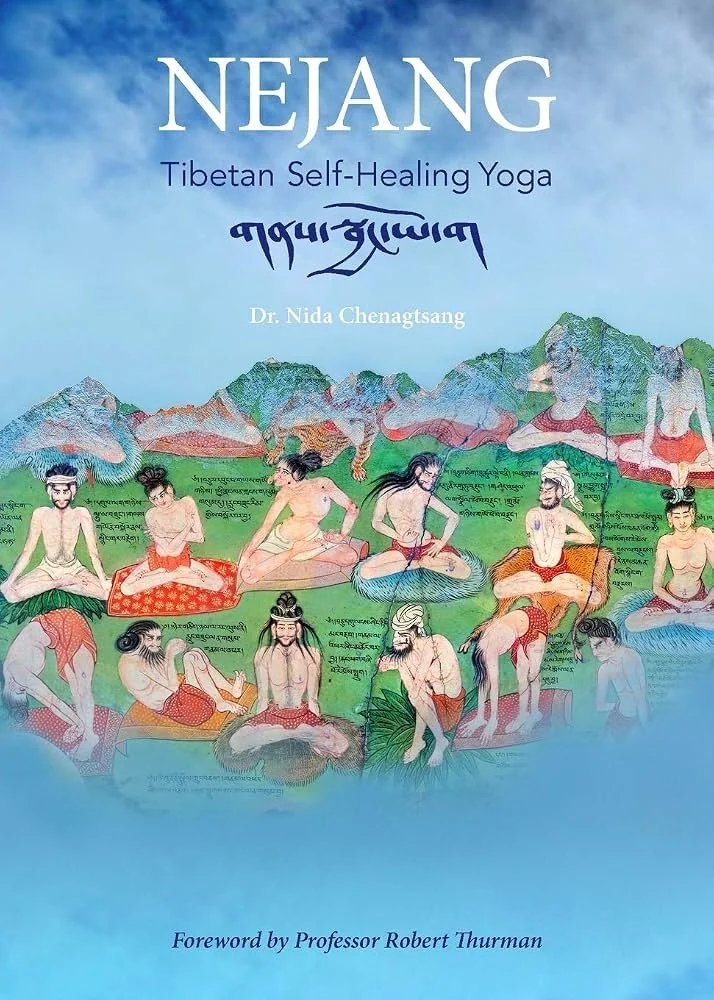
Nejang is a gentle healing yoga practice composed of twenty-four simple movements that combine breath, self-massage, and mindful attention.
As a therapeutic system within Tibetan medicine, these practices support circulation, organ health, and energetic balance while calming the mind and opening the channels.
Friday, 15 January
Invited presentations and discussion on yoga, breath and meditation.
Tibetan yoga and its foundations
Explore Tibetan yoga's principles and practices, its relationships with Indian yogic traditions, and its place within paths of healing and spiritual development. Consider how teachings are understood, transmitted and practised today.
Movement and everyday practice
Consider how Nejang and other forms of Tibetan yoga become part of daily life. Teachers' perspectives and personal accounts open questions about establishing a practice and relating traditional explanations to individual experience.
Breath and the relationship between body and mind
Encounter breathwork and pranayama alongside Tibetan medical and contemplative understandings of rLung. Examine what informs different methods and how they relate to the broader purposes of yoga and meditation.
Saturday, 16 January
Invited presentations and discussion on yoga, breath and meditation.
Meditation and psychological experience
Explore meditation and dream yoga within Tibetan Buddhist traditions, alongside perspectives from psychology and psychiatry. Discuss how contemplative experiences are understood and how practitioners relate to thoughts and emotions.
Healing and care
Consider meditation in cardiovascular care, mental health, grief and the end of life. Bring careful attention to the different contributions of research, clinical observation, traditional teachings and personal experience.
Creativity and the expression of practice
Explore painting as meditation, the relationship between creative attention and breath, and how contemplative practice finds expression in work, relationships and community.
Sunday, 17 January
Graduate day
Graduate thesis presentations and emerging contributions. If you would like to present, please contact us and share your topic.
Expert speakers from around the world
-
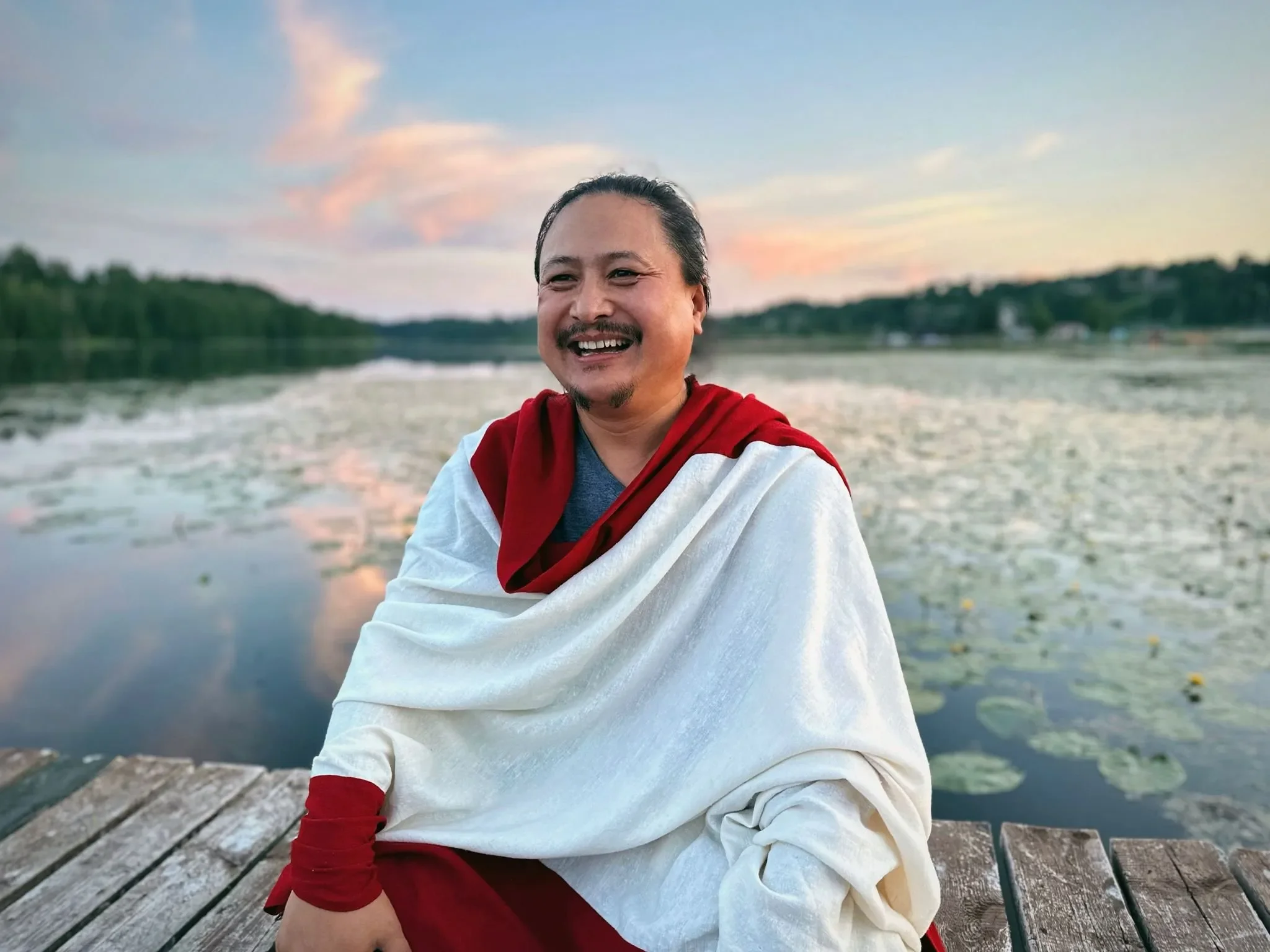
Dr. Nida Chenagtsang སྨན་པ་ཉི་ཟླ།
Traditional Tibetan physician and lineage holder of the Yuthok Nyingthig.
Topic: Yoga of body, speech and mind
-
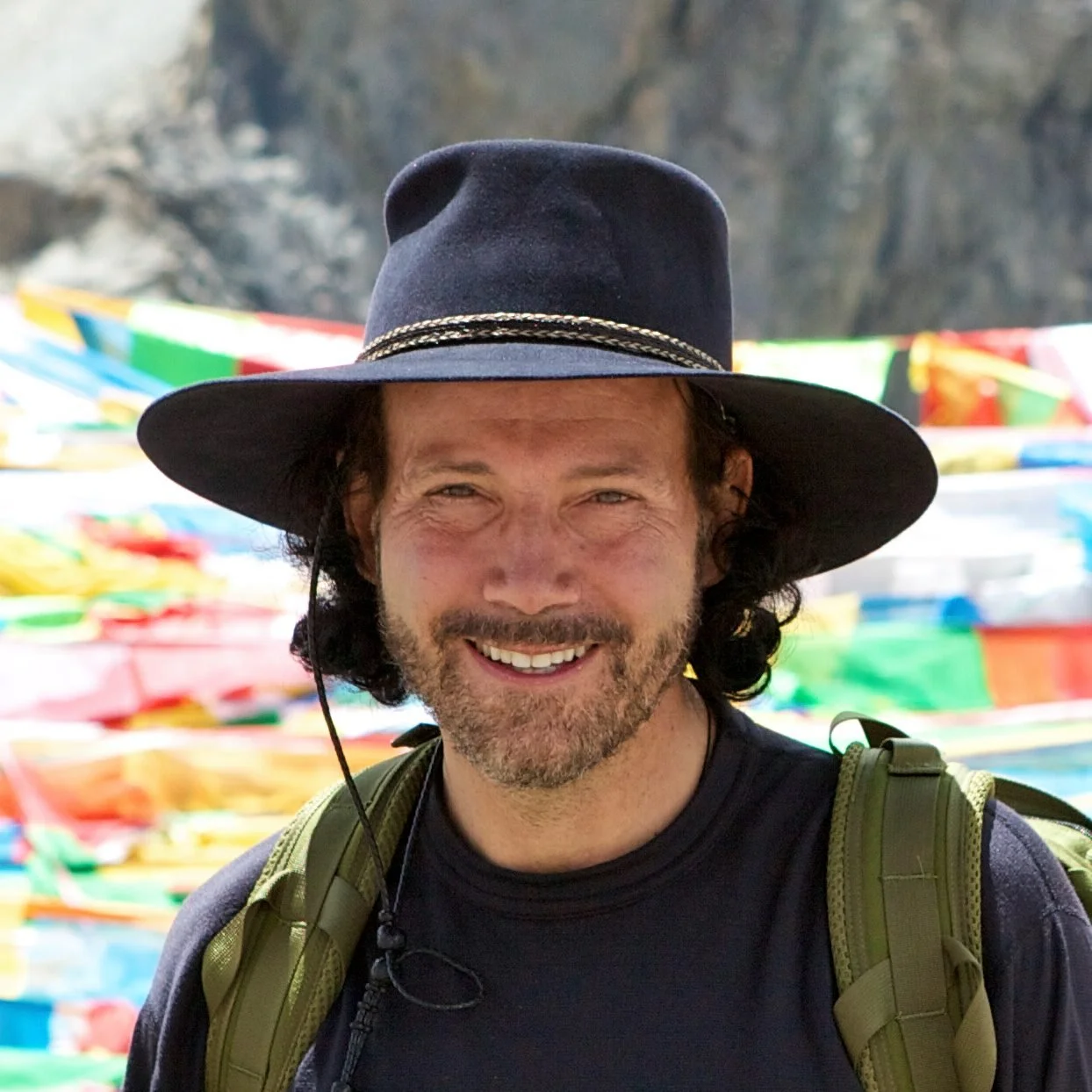
Ian Baker
Author of Tibetan Yoga: Principles and Practices and a cultural historian exploring Tibetan Buddhism, healing and Himalayan traditions. His seven books also include The Tibetan Art of Healing. National Geographic named him one of seven “Explorers for the Millennium” for his groundbreaking research in Tibet.
Topic: Tibetan Yoga, Principles and Practices
-
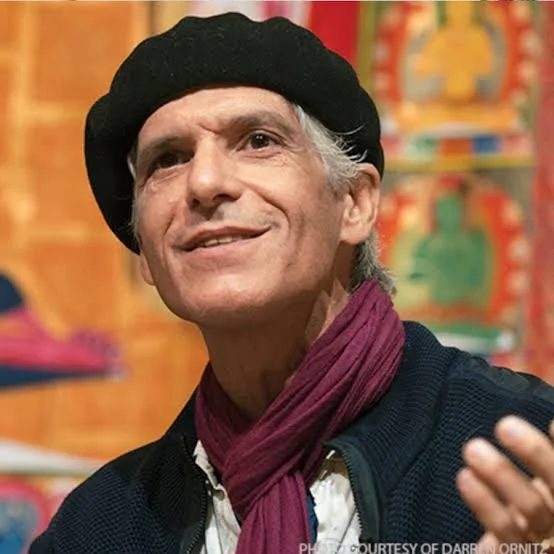
Dr. Joe Loizzo
MD, PhD, is a Harvard-trained psychiatrist and Columbia-trained Buddhist scholar with over forty years’ experience studying the beneficial effects of contemplative practices on healing, learning and development. Founder & Academic Director: Nalanda Institute.
Topic: Tantric yoga and somatic psychotherapy: Complementary approaches to transforming trauma -
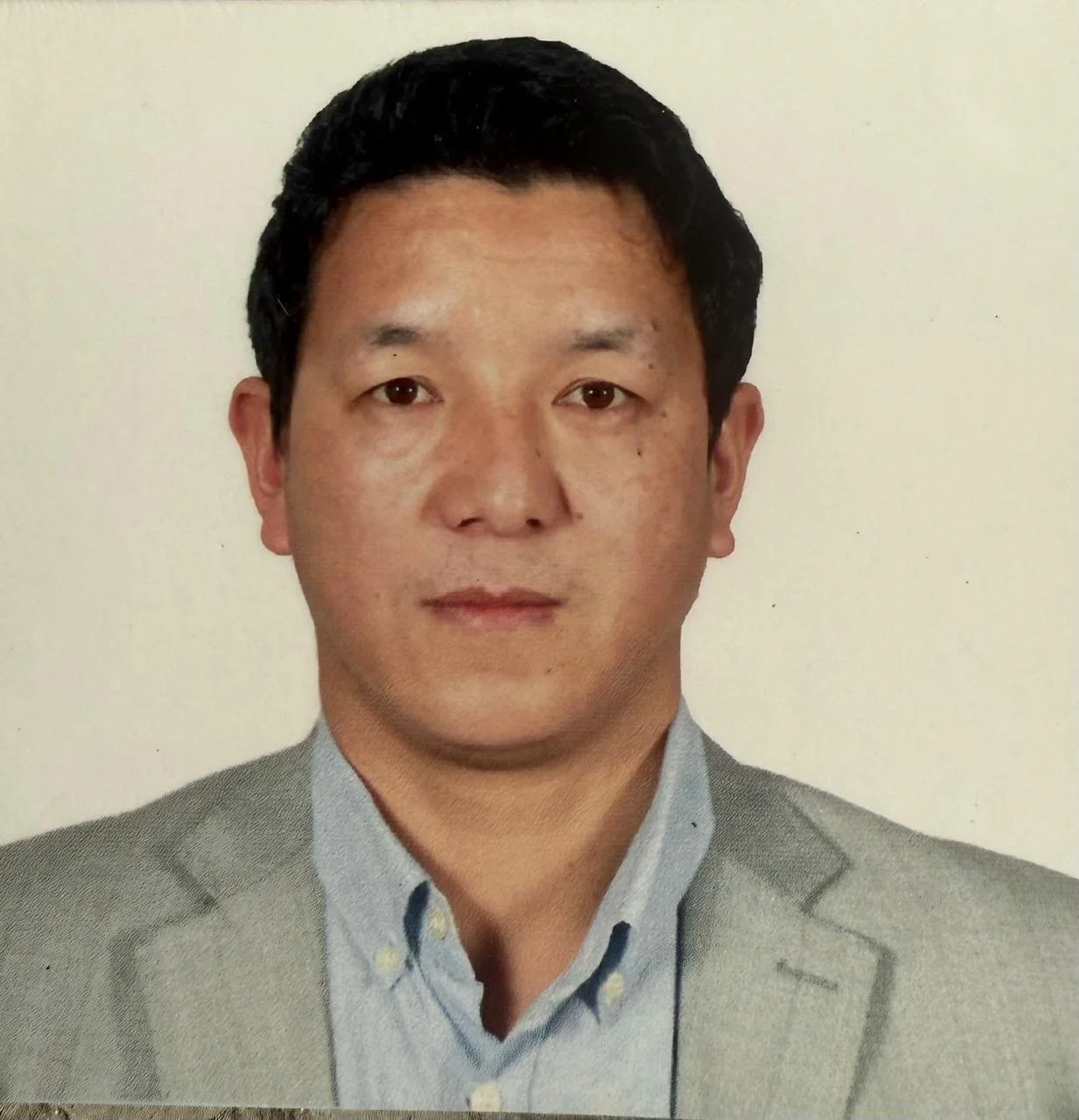
Amchi Nyima Tsering
Traditional Tibetan physician, founding member and the former Principal of the Sowa Rigpa International College in Kathmandu, Nepal
Topic: Breath, rLung and Mental Wellbeing: A Sowa Rigpa Perspective -
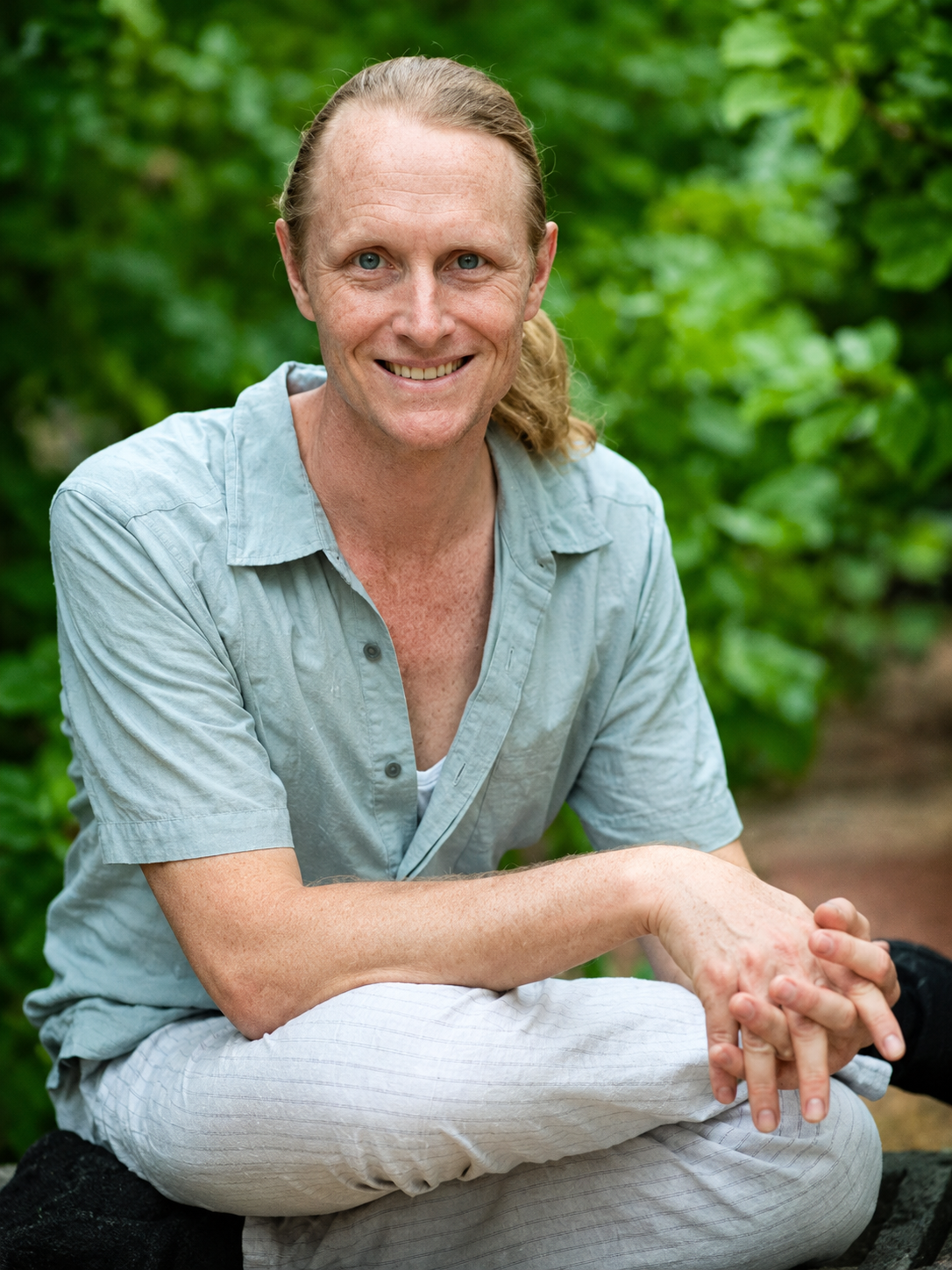
John R. B. Campbell
Scholar of Indo-Tibetan Buddhism, translator of Sanskrit and Tibetan, and certified Ashtanga yoga teacher. With more than thirty years of practice, he teaches yoga, meditation and philosophy through the Vajra Yoga programme at Tibet House US, exploring connections between Indian and Tibetan traditions.
Topic: Indian and Tibetan yoga traditions -
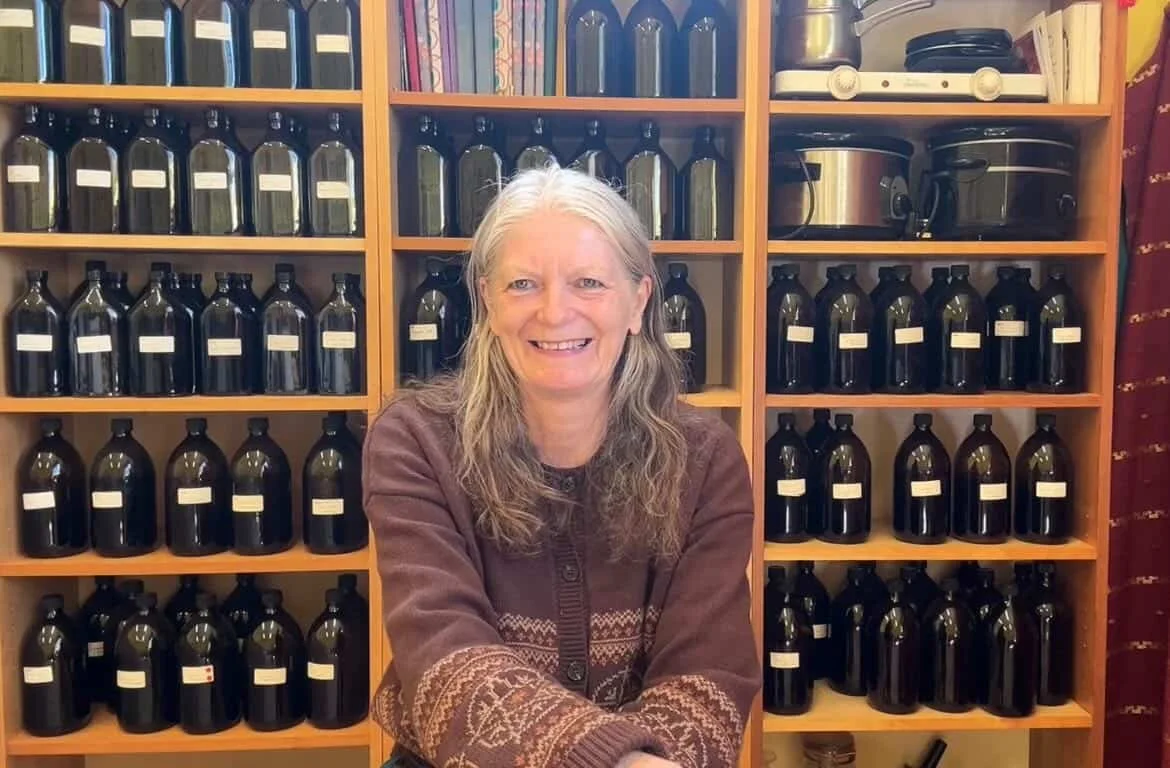
Lucy Jones
Medical herbalist and author of Self Sufficient Herbalism and A Working Herbal Dispensary. She studied Tibetan medicine with Khenpo Troru Tsenum before training in Western herbal medicine. In practice since 2006, she brings a hands-on approach to healing through growing, gathering and preparing medicines from locally sourced plants.
Title: A Herbal Therapeutic Practice Built on Meditation and Samaya -
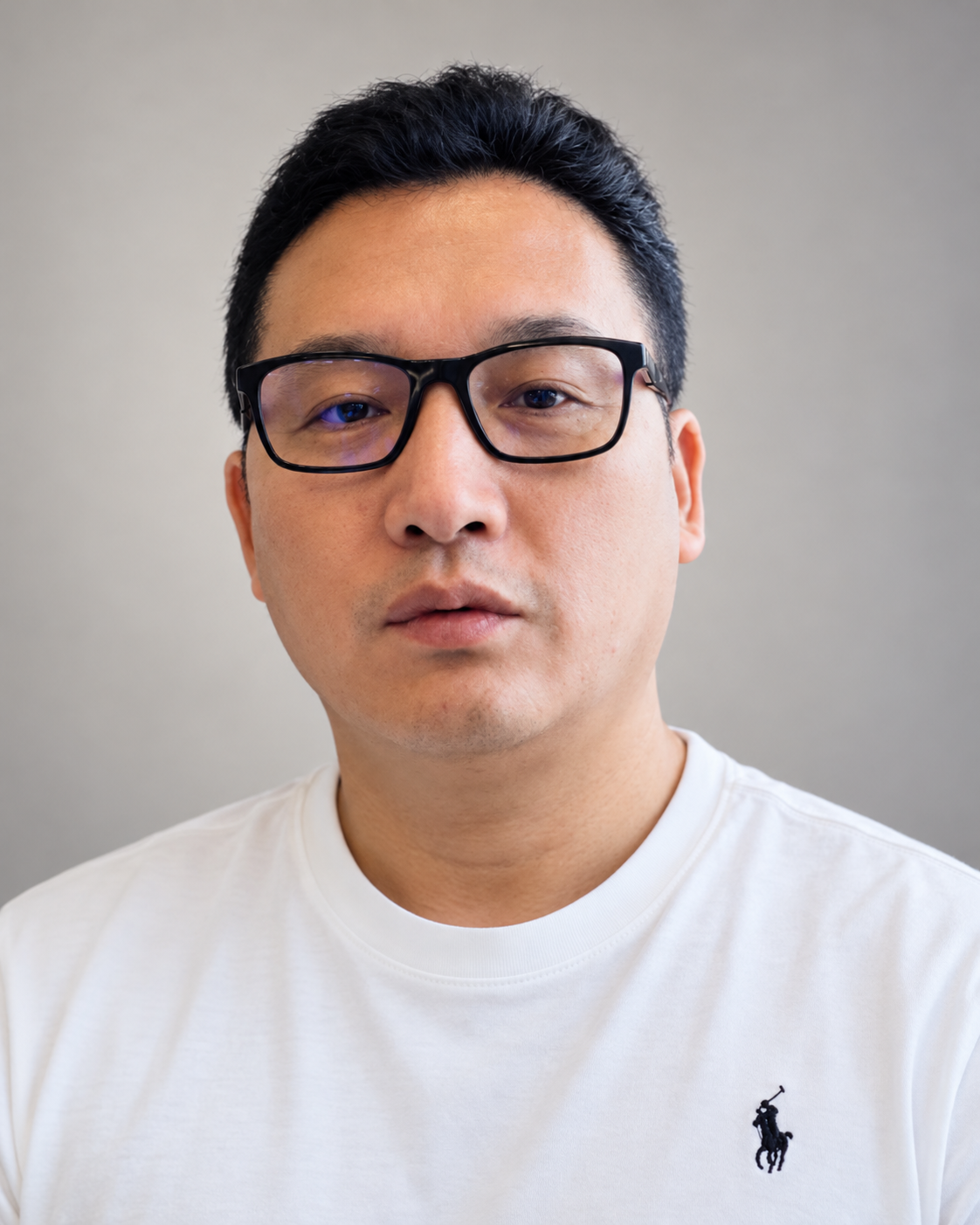
Dr. Kunga Wangdue
Tibetan medical physician based in NY, who is widely recognized for his work in holistic healing and community service.
Topic: Caring for rLung: Breath, Meditation and Everyday Life: Perspectives from clinical practice -
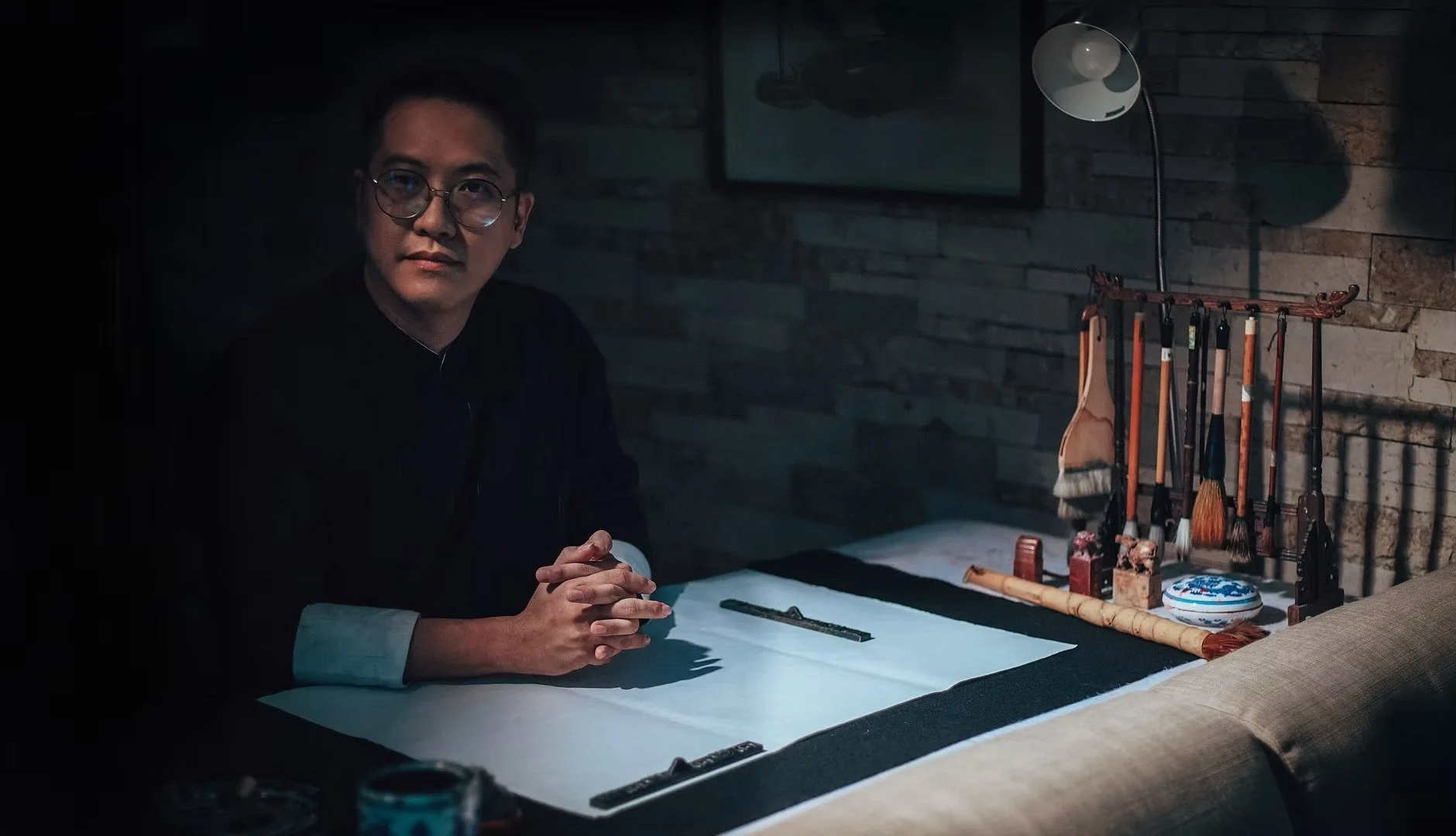
Dr. Yudhi Gejali
A medical doctor integrating Japanese-style acupuncture, Zen counselling and meditation. He guides the Blue Buddha Indonesia community, exploring the connections between contemplative practice and wellbeing. A practitioner of Yuthok Nyingthig practices
Topic: The Medicine of Presence: Beyond Therapeutic Techniques -
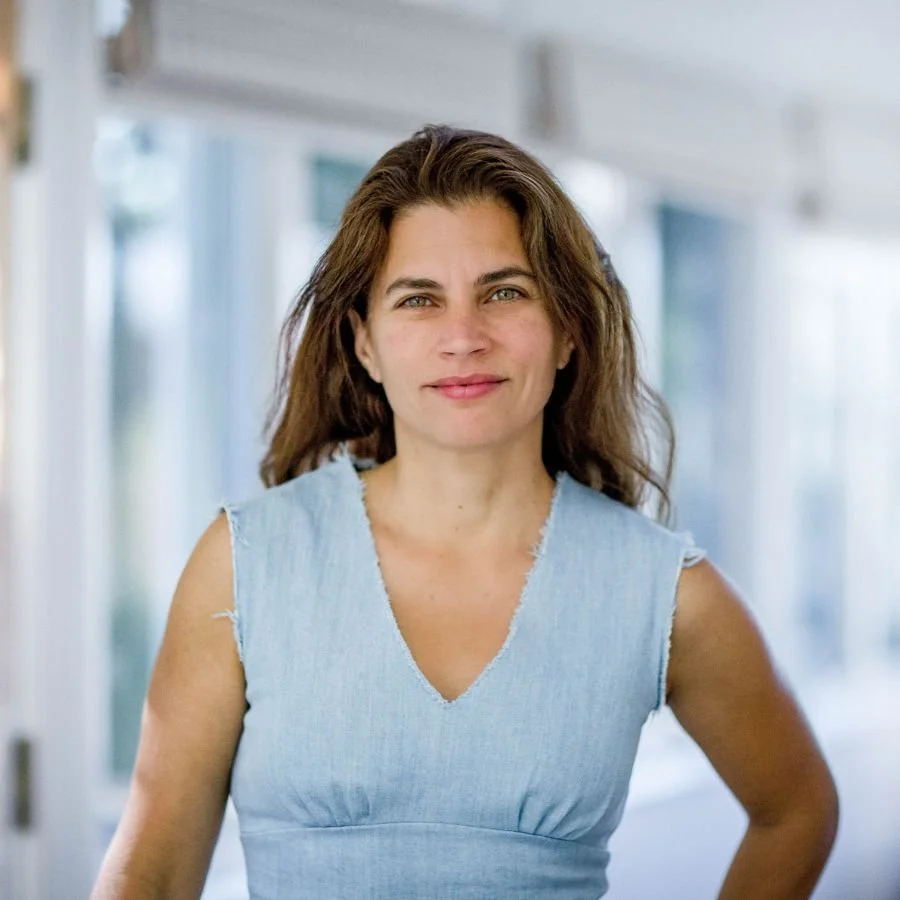
Christiana Polites
Director of the Sowa Rigpa Institute and Sky Press, and co-founder of Pure Land Farms. Nejang Yoga instructor, Yuthok Nyingthig instructor
Topic: Nejang framework and practice -
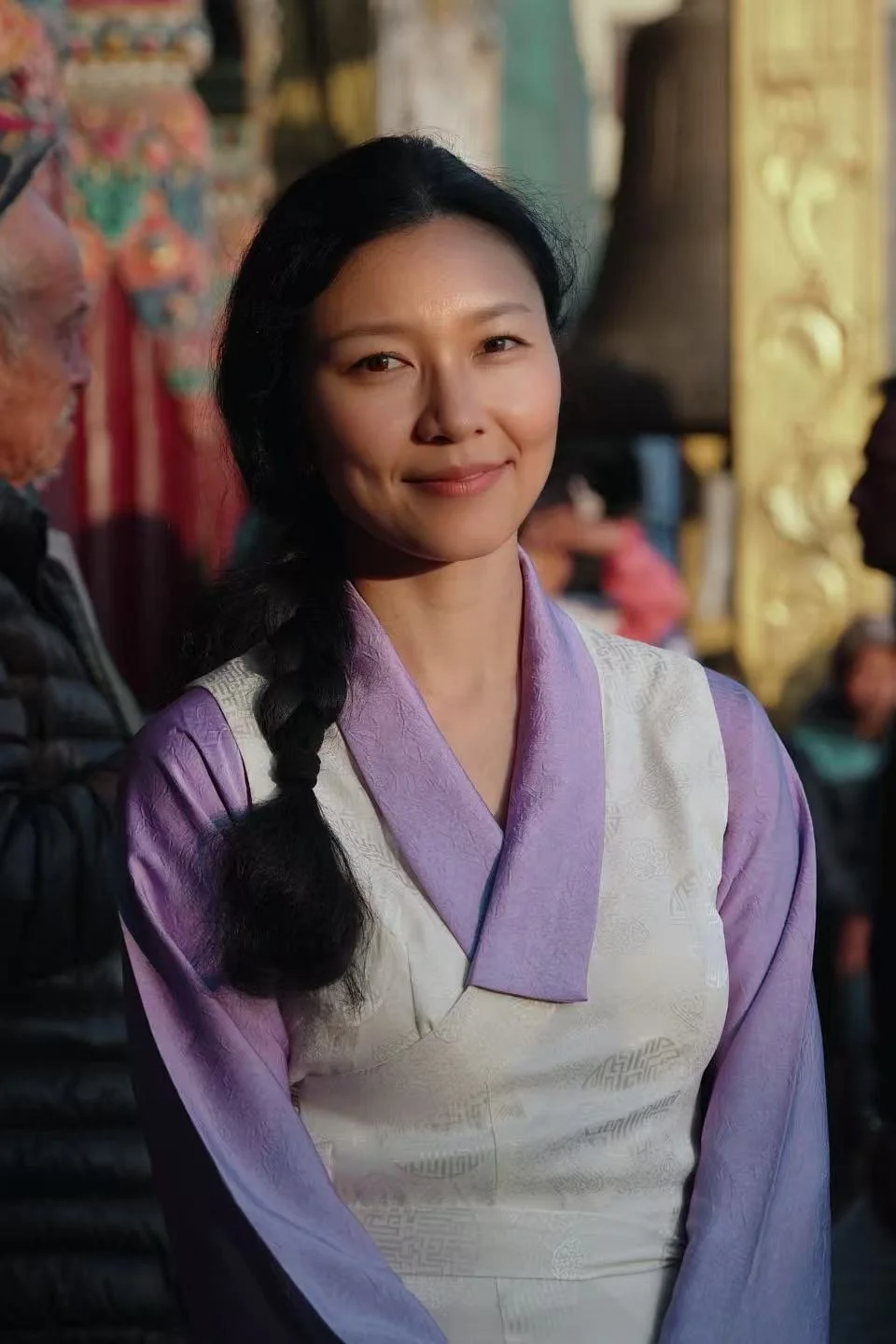
Drukmo Gyal
Mantra singer, Sowa Rigpa and Buddhist practice instructor, Anthropologist, Sowa Rigpa Forum co-founder.
Topic: How to position breath-work in relation to Sowa Rigpa and Buddhism?
-
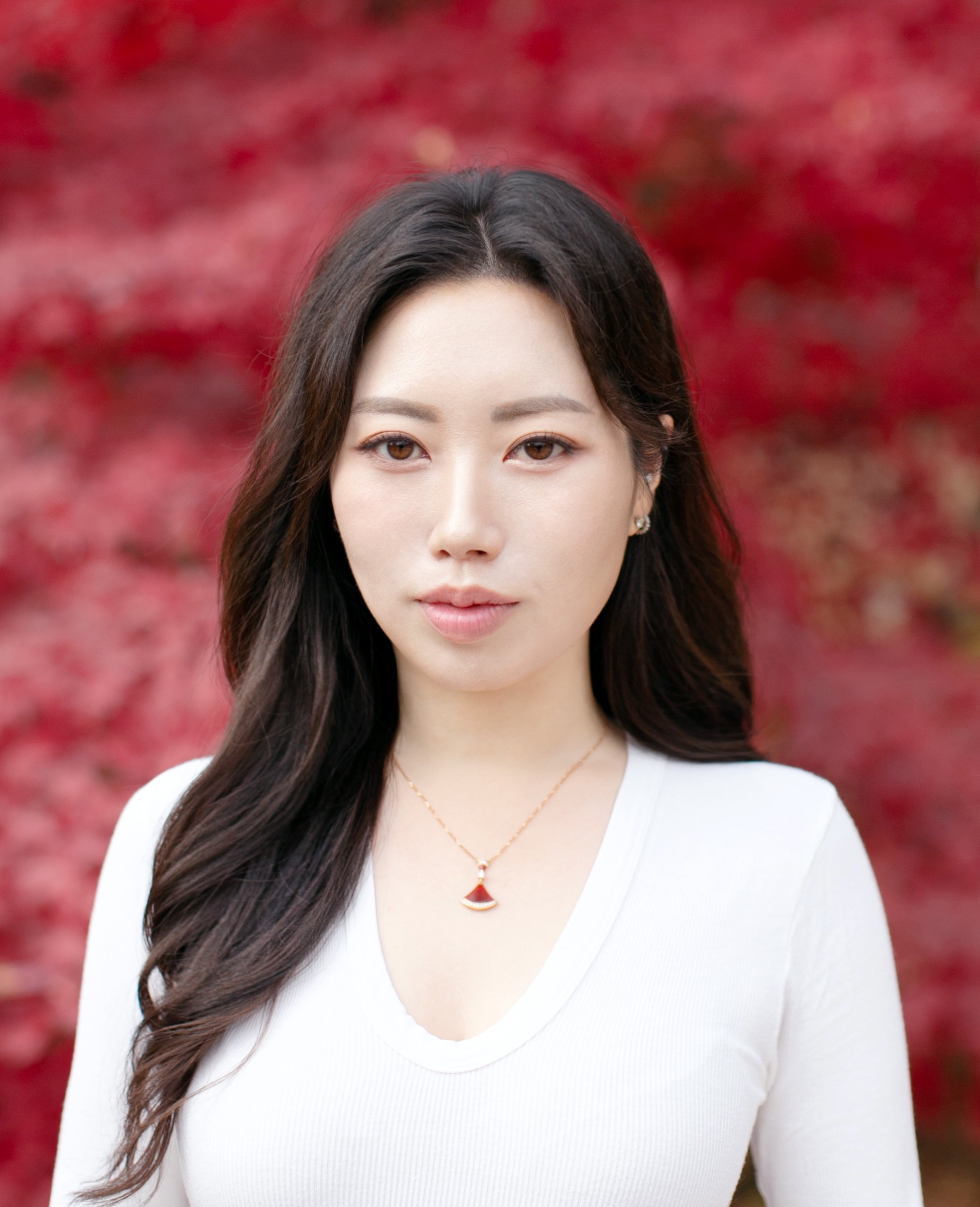
Liz Sung
Yoga Director of the Sowa Rigpa Institute and a student of Dr. Nida Chenagtsang. Her teaching integrates Tibetan yoga with the principles of Sowa Rigpa. A Yuthok Nyingthig practitioner, she also draws on training in Hatha yoga, trauma-informed yoga and meditation to support a sustainable everyday practice.
Topic: Tibetan yoga for everyday practice -
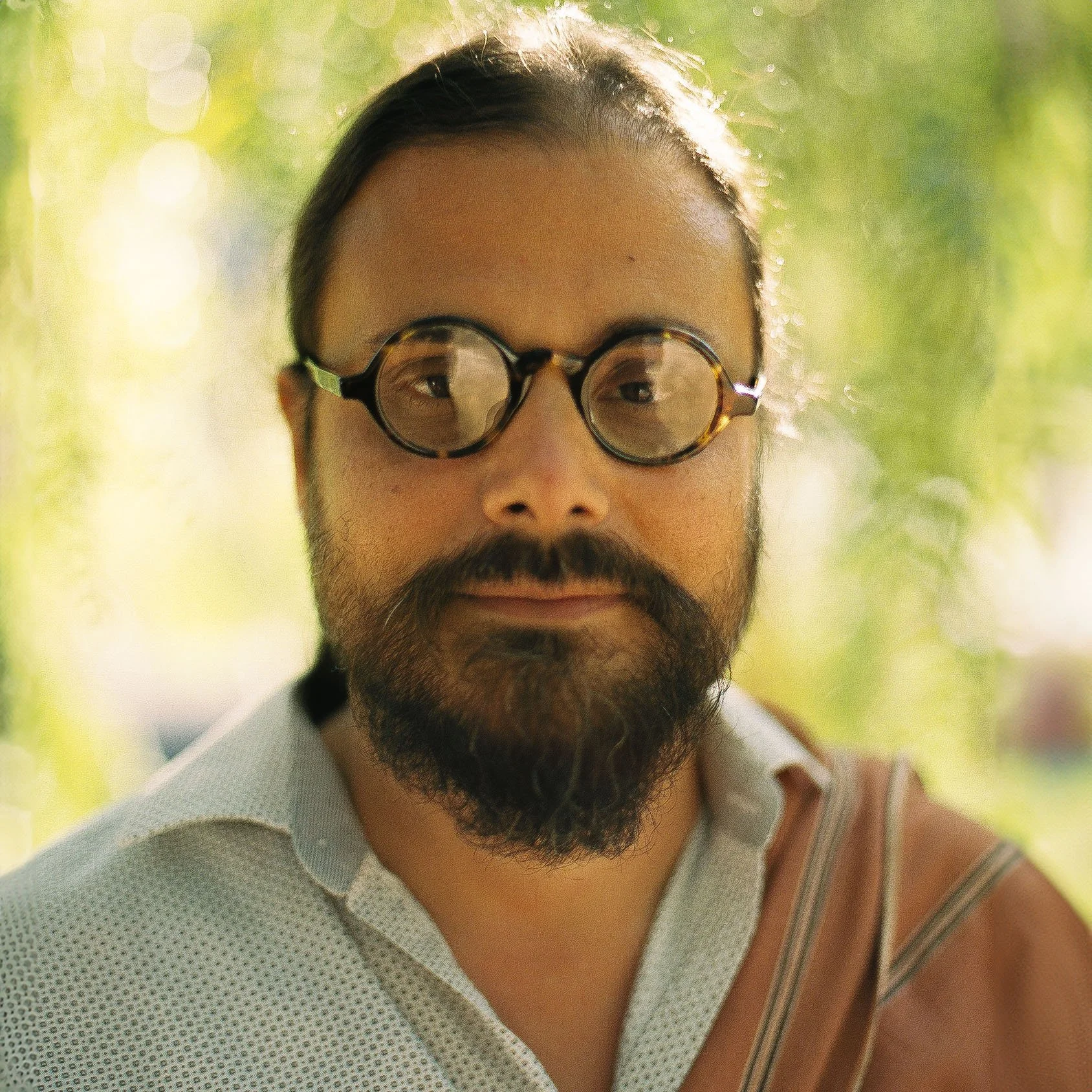
Lama Justin von Bujdoss
Buddhist teacher, chaplain and author of Modern Tantric Buddhism. As founding teacher of Yangti Yoga Retreat Center, his work brings together Vajrayana meditation, dark retreat and compassionate spiritual care.
Topic: to be updated -
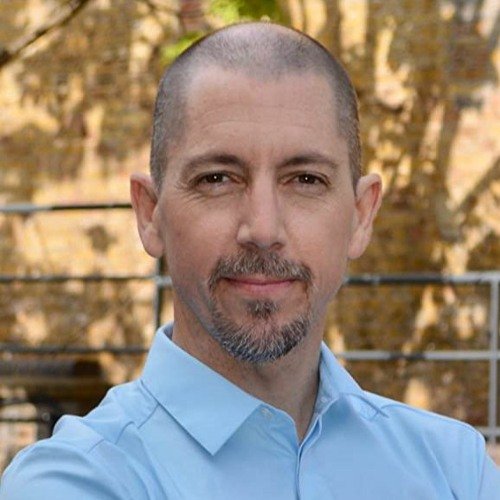
Matteo Pistono
Meditation and breathwork teacher and author of Breathe How You Want to Feel. Drawing on more than thirty years of meditation practice and study of Buddhism and Hatha yoga, he teaches conscious breathing, pranayama and meditation, helping people bring these practices into everyday life.
Topic: Breathwork, pranayama and meditation -
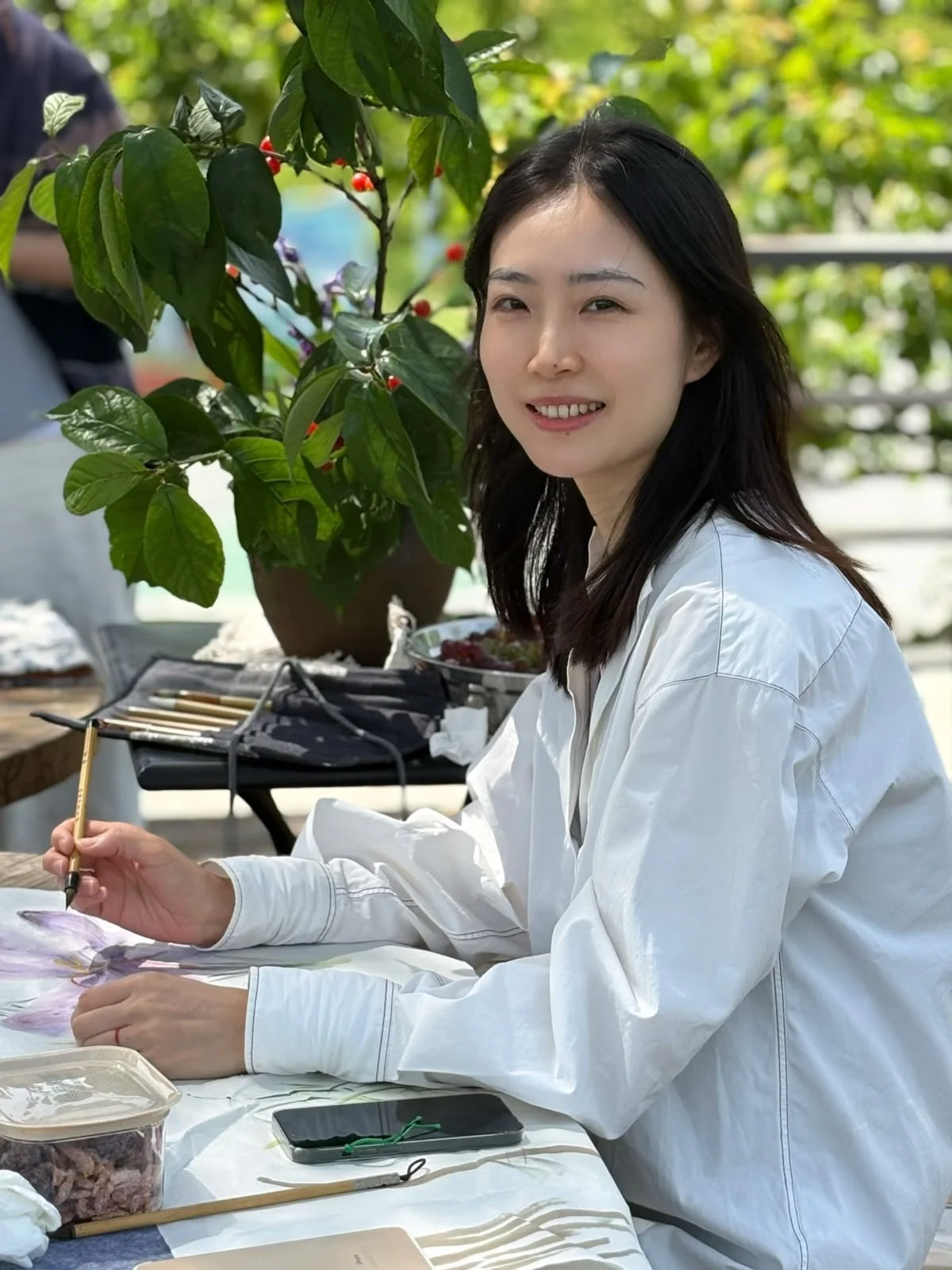
Li Jing
Topic: Painting, meditation and breath
-
More will be updated
More Speakers will be listed soon.
Our Tickets
Early Bird ends December 1st


Join the forum online for one day of your choice.
One day of live sessions
Recordings of that day for 6 months
Join from anywhere, in English
Choose 15, 16 or 17 January

Join the forum online in English, for all three days.
Three days of forum sessions
All recordings for 6 months
Join from anywhere
Access talks from past forums
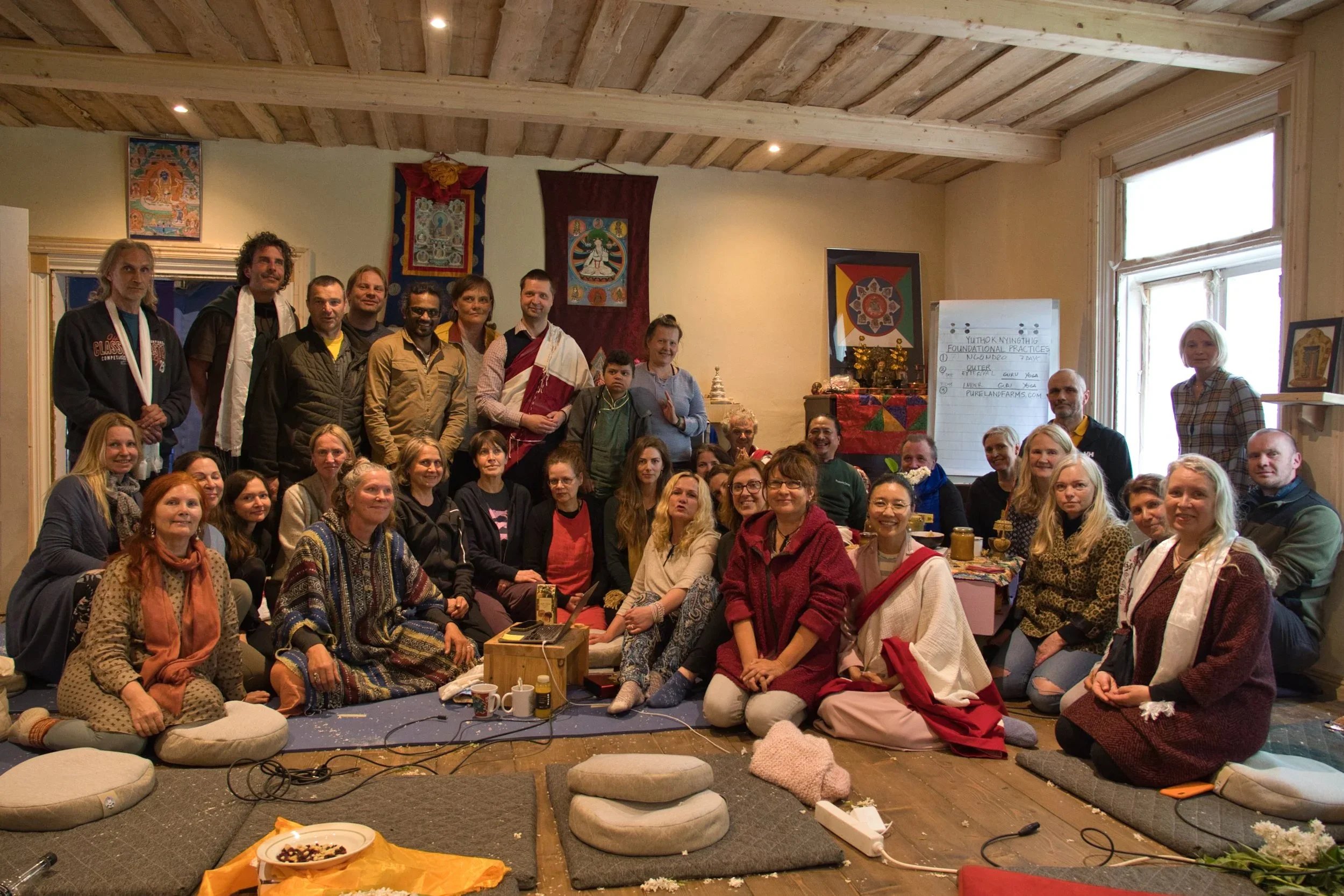
Join a community to learn and practise with
Meet teachers beyond your usual circle, explore different interpretations and discover the work of fellow learners.
Your experience and questions have a place in this conversation.
We welcome the encouragement that comes from learning alongside others, across schools and generations.
For newcomers, the forum offers a way into the community: a place to listen, ask questions and discover pathways into further study. Yoga and meditation communities are welcome to join the conversation and explore possibilities for collaboration.
Bring your learning into daily practice
Continue your exploration with Sowa Rigpa School in Väluste, Estonia, through an online Nejang course and a month of shared practice.

8 to 28 February 2027
Nejang foundations (course)
Recorded video teachings on Thinkific. Learn at your own pace:
Three weeks of Nejang’s movement, breath and attention practices
Prepare for the live challenge
One year access to lessons

1 to 30 March 2027
30-day Nejang Challenge (live)
Practise live with Drukmo Gyal and Ave; included in Nejang course. Choose the session that suits you:
Morning: 07:00–07:40 UTC+2
Evening: 20:00–20:40 UTC+2
What to expect? View our past forums.
Kyoto 2025
Chulen & Rejuvenation

The Japan Forum focused on Chulen and Rejuvenation, exploring traditional Tibetan methods for restoring vitality, longevity, and inner balance.
Through teachings and dialogue, the forum examined how rejuvenation practices support both physical health and contemplative life, drawing on classical sources and lived experience.
Estonia 2024
Mental Health & Sowa Rigpa

The Estonia Forum focused on mental health and wellbeing through the lens of Sowa Rigpa, bringing together perspectives from Tibetan medicine, psychology, and related fields.
It explored dreams, sleep, and medicinal plants through both traditional knowledge and contemporary inquiry.
FAQs
-
Yes, we offer payment in installments.
-
The Third International Sowa Rigpa Forum takes place entirely online from 15–17 January 2027, hosted from Estonia. You can participate from wherever you are.
-
The forum is especially relevant to Sowa Rigpa students, practitioners and teachers. We also welcome people interested in yoga, breathwork, meditation and Tibetan healing traditions, including newcomers.
-
Newcomers are welcome. Presentations will approach the theme from different perspectives and levels of experience. Session descriptions will help you understand their focus and choose what interests you.
-
No religious commitment is required. The forum honours the Tibetan Buddhist and contemplative traditions connected with Sowa Rigpa while welcoming people from all cultural and religious backgrounds.
-
Presentations and moderated discussion will be in English.
-
Sessions run from 09:00–12:30 and 14:30–18:00 Estonia time, with a two-hour lunch interval. In January, Estonia uses EET / UTC+2. Please check the equivalent times in your location.
-
Yes. You can join sessions that suit your schedule and watch recordings of those you miss. Paying participants receive six months of access to the forum recordings.
-
Invited speakers will explore yoga, breath and meditation through Sowa Rigpa, Tibetan Buddhism and related perspectives. Proposed themes include Tibetan yoga, Nejang, breathwork, dream yoga, mental health, grief, cardiovascular care and creativity. Confirmed titles and speakers will appear in the programme.
-
On 17 January, graduates of Sowa Rigpa training programmes will present their thesis work. Hear questions emerging from sustained study and join discussion with teachers, practitioners and fellow learners.
-
The day is intended for graduates of two- and four-year Sowa Rigpa training programmes. Eligibility, submission requirements and deadlines will be announced separately. To express interest, contact sowarigpaf@gmail.com.
-
Yes. Presentations will include moderated Q&A, and the online chat will offer space for questions and shared reflections. We encourage respectful discussion and acknowledgement of the sources or experiences informing different views.
-
The forum centres on presentations, questions and discussion. Its purpose is to deepen understanding and encourage everyday practice. The Nejang course and live challenge provide a separate opportunity for structured learning and regular practice.
-
They are separate learning opportunities with their own enrolment arrangements. The March challenge is included in the Nejang course purchase. Consult each programme's page for its price and participation details.
-
Yes. We welcome enquiries from Sowa Rigpa schools, yoga and meditation communities, and others interested in exchange. Tell us about your community and the collaboration you would like to explore at sowarigpaf@gmail.com.
-
Please email sowarigpaf@gmail.com about attendance, graduate presentations, continued learning or collaboration.
Contact us
Have a question about the forum, a media enquiry or an idea to explore together? Send us a message and we’ll reply by email.
Want to present at the forum? Share your proposal →
A Sowa Rigpa graduate? Register interest for Graduate Day →
Organized by
The Sowa Rigpa Forum belongs to Dr Nida Chenagtsang's Sowa Rigpa Open University. The 2027 edition is hosted by Sowa Rigpa School Estonia, also known as the Estonian Academy of Traditional Tibetan Medicine, based in Väluste.
Forum owner
2027 forum host
Sponsor

Our approach to dialogue
We approach Sowa Rigpa with respect for its Tibetan and Himalayan roots, its medical and contemplative traditions, and its relationships with Tibetan Buddhism. We honour the teachers and communities who carry this knowledge while making space for thoughtful questions about its meaning and practice today.
People of all cultural, professional and religious backgrounds are welcome. Participation requires no religious commitment.
We value curiosity, careful listening and respectful disagreement. When sharing a view, we encourage participants to explain their reasoning and acknowledge the teachings, research or experiences informing it. Personal experience, traditional knowledge and clinical evidence each deserve clear context. When perspectives differ, we examine ideas while treating one another with care.